

Sleep, bladder habits, and practical pain care
Why Night Bathroom Trips Matter
in Pain Management
A nighttime bathroom trip may last only a few minutes, yet its effects can follow you into the morning. Getting out of bed can aggravate a painful hip, knee, back, or shoulder. The interruption may also break restorative sleep, leave medication schedules feeling muddled, and make yesterday’s manageable ache feel louder before breakfast.
The goal is not to blame every difficult night on the bladder or to treat one bathroom visit as a medical emergency. It is to notice when repeated awakenings are becoming part of the pain problem rather than a harmless footnote. For some people, the main issue is evening caffeine. For others, it may be swelling, medication timing, sleep apnea, bladder symptoms, diabetes, or difficulty moving safely through a dark room.
This guide will help you separate ordinary variation from a pattern worth discussing with a clinician. You will learn what to track, which quick fixes can backfire, how to reduce fall risk, and how to turn seven nights of observations into a far more useful healthcare conversation.
Understand the loop
See how interrupted sleep and increased pain sensitivity can reinforce each other.
Spot the pattern
Separate fluid habits, medication effects, mobility problems, and urinary symptoms.
Act without overreacting
Use a calm one-week check before making major changes on your own.
A better night often begins by understanding the wake-up, not simply trying to suppress it. 🌙
Snapshot
Who this is for: Adults managing acute or chronic pain, people recovering from surgery, older adults, and caregivers noticing repeated nighttime bathroom trips. What it solves: Confusion about whether the awakenings are merely inconvenient or are worsening pain, recovery, and safety. Your next move: Track seven nights, remove obvious hazards, and bring the pattern to the right healthcare professional.
Table of Contents

Before You Change Anything: A Practical Health Note
This article offers general education, not a diagnosis or a personal treatment plan. Nighttime urination can have many causes, and pain may come from an entirely separate condition. A pattern that is harmless for one person may need prompt attention in another, especially after surgery or when weakness, fever, urinary pain, confusion, new numbness, or medication changes are involved.
Do not stop prescription medicine, change a diuretic schedule, sharply restrict fluids, or add a sleep aid without checking with a qualified healthcare professional. Those changes can affect hydration, blood pressure, kidney function, balance, constipation, alertness, and the condition the medicine was prescribed to treat.
Before-you-act rule
Make low-risk safety improvements now, such as clearing the route to the bathroom. Record symptoms before changing hydration or medication. Contact a clinician sooner when the pattern is new, rapidly worsening, painful, or accompanied by neurological or systemic symptoms.
The Hidden Connection: Why Night Bathroom Trips Can Make Pain Feel Worse
Sleep is not merely rest. It is part of pain management.
Sleep is when the body carries out a great deal of routine repair, regulation, and housekeeping. A single awakening does not erase that work. Repeated awakenings, however, may reduce sleep continuity and leave less time in deeper, more restorative stages.
For a person already managing pain, that disruption matters. Poor-quality sleep can lower patience, slow reaction time, reduce motivation to move, and make normal sensations feel more intrusive. Pain then makes it harder to fall asleep again, creating a loop with no dramatic beginning and a very grumpy morning.
The issue is not only the number of hours spent in bed. Eight hours in bed with four fully alert bathroom trips may feel very different from seven uninterrupted hours. Sleep continuity deserves a place beside pain intensity, medication use, and physical function when you assess how treatment is going.
The trip itself may provoke a pain flare
Getting up from bed asks a surprising amount from the body. You must roll, push, sit, stand, orient yourself, walk, lower onto a toilet, stand again, and return to bed. Each movement may load a healing joint or an irritated nerve.
A person with hip pain may feel the first steps sharply. Someone recovering from shoulder surgery may strain while pushing up from the mattress. A person with back pain may stiffen after lying still, then twist while moving through a narrow doorway. Even if the bladder issue is minor, the repeated movement can keep pain mechanically active through the night.
That is why a safe route and an easier bed-transfer setup can be as important as conventional sleep advice. Readers recovering from joint procedures may also benefit from reviewing a practical bedroom lighting setup after joint surgery and checking for bathroom doorway fall risks.
Why one trip can turn into several difficult hours
After returning to bed, pain may be more noticeable because you are now fully awake and paying attention to it. The mind starts taking inventory: knee, back, bladder, clock, tomorrow’s responsibilities. The bedroom becomes a small midnight meeting with an agenda nobody requested.
If it takes 20 or 30 minutes to settle again, the practical cost of a three-minute bathroom visit is much larger. Tracking both the trip and the time needed to fall asleep again gives a more accurate picture of the disruption.
Key takeaway
Do not record bathroom trips as isolated events. Also note the movement-related pain, how alert you became, and how long it took to return to sleep. That wider picture often explains why the next day feels disproportionately difficult.
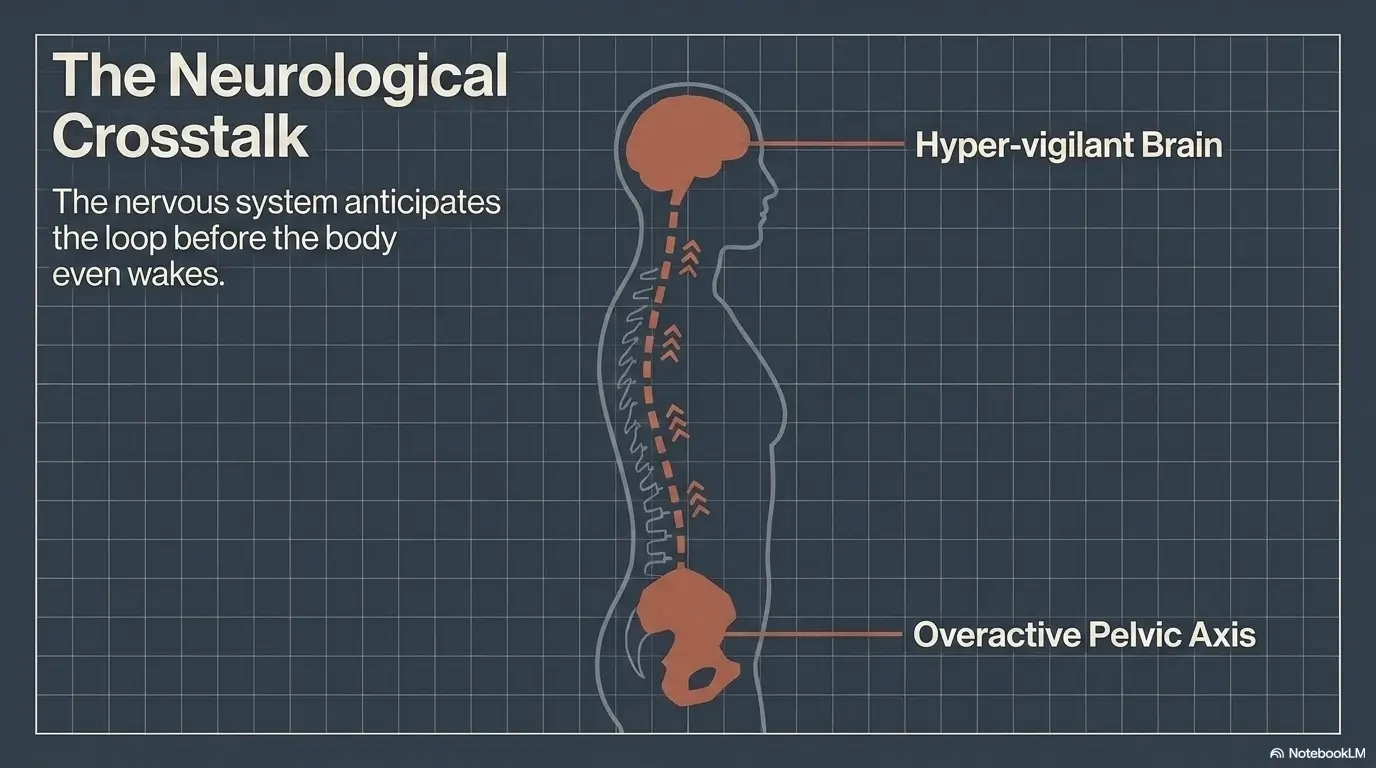
The Sleep-Pain Loop Most People Never Notice
What fragmented sleep changes by morning
Sleep and pain have a two-way relationship. Pain can interrupt sleep, while insufficient or poor-quality sleep can increase sensitivity to pain. This does not mean the pain is imagined. It means the nervous system’s volume control may be less forgiving after a broken night.
Morning stiffness may feel heavier. A routine shower may require more effort. The physical therapy exercise that felt reasonable yesterday may feel less tolerable. Fatigue can also make a person brace, move cautiously, or remain sedentary, which may add stiffness and reduce confidence.
The National Heart, Lung, and Blood Institute explains how healthy sleep supports tissue repair, attention, reaction, and broader health. Its overview is useful when sleep disruption has become a persistent part of the pain story.
Pain may change before breakfast, not after activity
Many people judge pain by what happened during the previous day: a long walk, an awkward lift, or an exercise session. Nighttime disruption is easier to miss because it feels passive. Yet several awakenings, repeated transfers from bed, and long periods of alertness can influence how the body feels before daytime activity even begins.
This is one reason a useful pain diary should include sleep continuity, not just a zero-to-ten pain score. The number alone cannot tell a clinician whether pain rose after movement, after medication wore off, or after three bathroom trips and two hours of broken sleep.
A structured pain flare trigger log can help connect those dots without turning every night into a laboratory experiment.
The nervous system explanation, without the lab coat
Show me the nerdy details
Pain is not a simple meter that reads tissue damage directly. The brain integrates signals from the body with context, attention, stress, expectations, prior experience, and the current state of the nervous system.
Sleep deficiency may affect how the brain processes painful input and how effectively it regulates discomfort. At the same time, pain can increase arousal and make sleep shallower. This bidirectional relationship helps explain why pain and insomnia often travel together.
The practical lesson is not that better sleep cures every pain condition. It is that sleep fragmentation is a modifiable contributor worth assessing alongside diagnosis, movement, medication, mood, and physical rehabilitation.
The Midnight Pain Loop
1
Bladder urge or another awakening
2
Painful bed transfer and walking
3
Full alertness and delayed return to sleep
4
Greater fatigue and pain sensitivity
5
Less movement, more stiffness, another difficult night
The useful intervention point may be the bladder, the sleep disruption, the painful movement, the room setup, or several of them together.
Not Every Nighttime Bathroom Trip Means the Same Thing
An occasional trip can be ordinary
A late bowl of soup, an evening cup of tea, a hot day with delayed hydration, or an unfamiliar hotel mattress can produce an unusual night. One isolated trip, particularly without pain or other urinary changes, may not reveal much.
The pattern becomes more informative when it is frequent, new, worsening, or disruptive enough to affect daytime function. Clinicians may use the term nocturia for waking during the night to urinate, usually with sleep before and after the trip. The number that feels bothersome varies because age, mobility, health conditions, sleep quality, and recovery status all matter.
Temporary triggers that are easy to overlook
- Drinking a large amount late because daytime hydration was poor
- Evening coffee, tea, cola, energy drinks, or chocolate
- Alcohol close to bedtime
- A salty evening meal that increases thirst
- Cold weather or a change in routine
- Constipation that adds pressure or changes bladder comfort
- A new medication or a change in medication timing
- Postoperative instructions that temporarily alter fluid intake
- Anxiety, pain, noise, or sleep apnea waking you before you notice the bladder
That last point is important. Sometimes the bladder wakes the sleeper. Sometimes pain or disordered breathing causes the awakening, and the person decides to urinate simply because they are already awake. A diary can help distinguish “I woke because my bladder was painfully full” from “I woke with shoulder pain and used the bathroom while I was up.”
Medical possibilities a clinician may consider
Repeated nighttime urination may be associated with bladder storage problems, urinary tract conditions, enlarged prostate, diabetes, pregnancy, sleep disorders, kidney or heart-related fluid handling, leg swelling, neurological conditions, or other causes. This list is not a self-diagnosis menu. Several conditions can produce similar symptoms, and more than one cause may be present.
A clinician may ask about urgency, leakage, urine volume, swelling, snoring, thirst, medication use, bowel habits, pain, and daytime frequency. Depending on the pattern, evaluation may include a medical history, examination, urine testing, a bladder diary, or other tests.
| Pattern you notice | Possible direction to discuss | Useful detail to record |
|---|---|---|
| Large amounts of urine each trip | Fluid timing, medication effects, excess nighttime urine production, metabolic causes | Approximate volume, thirst, total evening drinks |
| Small amounts with strong urgency | Bladder irritation, storage symptoms, infection, pelvic-floor or prostate-related issues | Urgency, burning, leakage, pelvic discomfort |
| Awakening begins with pain or snoring | Pain-related arousal or a sleep disorder may be contributing | What woke you first, snoring, gasping, morning headache |
| Trips increase with ankle or leg swelling | Redistribution of fluid while lying down may be relevant | Swelling, shortness of breath, weight changes |
| New symptoms after a medicine change | Medication action, timing, interaction, sedation, or constipation | Medicine name, dose time, symptom start date |
Key takeaway
Count alone is a blunt instrument. Urine volume, urgency, pain, swelling, thirst, what woke you first, and the timing of medicines make the pattern far more clinically useful.
Pain Medications Can Quietly Change Your Night Routine
Medicines may affect the bladder, sleep, or the route to the bathroom
Medication effects are not limited to making a person urinate more or less. A medicine may cause dry mouth and increase evening drinking. Another may cause constipation, dizziness, leg swelling, vivid dreams, insomnia, or daytime sleepiness that shifts the sleep schedule.
Some medications taken for conditions unrelated to pain, including medicines that increase urine output, may have an obvious connection to bathroom timing. Others may contribute indirectly by affecting mobility or alertness. Combining several sedating medicines can make a nighttime walk more hazardous even when bladder frequency does not change.
Timing matters, but self-adjustment can backfire
If symptoms began after a prescription was started, stopped, or rescheduled, write down the date and contact the prescriber or pharmacist. Ask whether the timing could reasonably contribute and whether a medically appropriate alternative schedule exists.
Do not simply move a dose to the morning. Some medicines must be spaced carefully, taken with food, or timed to control symptoms through the night. A change that reduces bathroom trips could worsen blood pressure control, pain relief, swelling, or another condition.
Five questions to ask a pharmacist or prescriber
- Could this medicine increase urination, thirst, swelling, constipation, dizziness, or sleep disruption?
- Does the time I take it matter for nighttime symptoms?
- Could it interact with my pain medicine, sleep aid, or over-the-counter products?
- What side effects should prompt a same-day call rather than routine follow-up?
- Is there a safer schedule or alternative that fits my medical conditions?
Caregivers who manage several bottles may find a medication confusion monitoring system useful, particularly after discharge or when more than one family member is helping.
Real-world example: the clue was not the pain pill
A man recovering from knee surgery began waking three times a night. He assumed the stronger pain medicine was irritating his bladder, so he considered skipping the evening dose.
His daughter reviewed his routine before he changed anything. She noticed that he was barely drinking during the day because walking to the kitchen hurt. At 8 p.m., he tried to “catch up” with two large glasses of water. He also took another prescribed medicine in the evening that his clinician had previously said could be scheduled earlier.
After checking with the care team, they spread his fluids more evenly through the day and followed the approved medication schedule. The bathroom trips decreased, and he kept adequate pain control.
The lesson was simple: the most obvious suspect was not the whole story. A timeline prevented an unsafe medication experiment and revealed a routine problem that could be corrected.
The Bedroom Habits That May Be Working Against You
Adjust fluid timing without turning bedtime into a drought
“Stop drinking water after dinner” sounds tidy, but it is not universally safe. Aggressive restriction may contribute to dehydration, constipation, dizziness, headaches, concentrated urine, and low blood pressure. It may be particularly inappropriate in hot weather, during illness, after some surgeries, or for people with certain medical conditions.
A safer starting point is to observe whether most fluids are being consumed late. Many people underdrink while busy or uncomfortable, then compensate in the evening. Moving some of that intake earlier may help without reducing the total amount below what a clinician recommends.
The National Institute of Diabetes and Digestive and Kidney Diseases advises that changes to evening liquid intake should be guided by a healthcare professional when bladder symptoms are involved.
Caffeine, alcohol, and fluids that do not arrive in a glass
Coffee and tea are easy to remember. Less obvious sources include cola, energy drinks, chocolate, large smoothies, broth-heavy meals, gelatin desserts, popsicles, and high-water fruits eaten close to bedtime.
Alcohol may increase urine production and fragment sleep. It may also interact with sedating medicines and worsen balance. Using alcohol as a homemade sleep aid is therefore a poor bargain: it may help the first page of sleep while vandalizing the rest of the chapter.
Treat the route to the bathroom as part of the care plan
Pain, drowsiness, urgency, darkness, loose rugs, pets, narrow pathways, and an unfamiliar walker can combine into a genuine fall risk. This is especially important for older adults and anyone recovering from surgery.
- Clear cords, baskets, shoes, and low furniture from the path.
- Use stable, low-glare lighting that comes on before the first step.
- Keep prescribed mobility aids within easy reach, not across the room.
- Wear secure footwear when recommended rather than loose slippers.
- Make sure the bathroom door opens fully and does not catch on a rug.
- Keep eyeglasses and hearing devices accessible when needed for safe orientation.
- Ask for help when postoperative instructions require assisted transfers.
For a room-by-room review, use a walker path safety checklist or a broader fall-risk checklist before surgery.
Key takeaway
You do not need to identify the medical cause before making the route safer. Clearing the floor, improving lighting, and positioning mobility aids are low-cost changes that protect you while the cause is being evaluated.
Common Mistakes, Safer Alternatives, and When Help Is Worth It
Four mistakes that keep the cycle going
- Ignoring the pattern because nighttime urination seems embarrassing. Clinicians hear about bladder symptoms routinely. Missing information makes the pain and sleep picture harder to interpret.
- Cutting fluids dramatically without guidance. This may create new problems while leaving the underlying cause untouched.
- Assuming pain is the only reason sleep is poor. Snoring, gasping, restless legs, urinary urgency, medicines, and anxiety may be sharing the stage.
- Buying sleep products before checking the cause. A premium pillow cannot correct a urinary infection, medication effect, or sleep apnea.
Do not chase uninterrupted sleep with sedation alone
An over-the-counter sleep product may make someone drowsier without reducing urine production or urgency. The person still wakes, but now walks while more sedated. Some products may also cause confusion, constipation, urinary retention, or next-day impairment in susceptible people.
If insomnia continues even after the bladder pattern is addressed, ask about evidence-based sleep care. For persistent insomnia, structured behavioral treatment may be more appropriate than repeatedly trying new nighttime products. Readers with chronic pain may find this overview of CBT-I for insomnia with chronic pain helpful when preparing questions for a clinician.
Good, better, best: choosing the right level of support
| Level | What it includes | Best fit | Typical cost direction |
|---|---|---|---|
| Good: Free self-check | Seven-night diary, earlier fluid distribution, caffeine review, cleared walking route | Mild, stable symptoms without red flags | Little or no direct cost |
| Better: Professional review | Primary care, pharmacist, surgeon, pain clinician, or urology discussion using your diary | New, bothersome, medication-linked, or persistent symptoms | Visit, copay, coinsurance, or self-pay fee may apply |
| Best fit for complex cases: Coordinated evaluation | Medication review plus urinary, sleep, mobility, and fall-risk assessment as indicated | Several possible causes, postoperative risk, repeated falls, or major daytime impairment | May involve multiple visits or tests; verify coverage first |
The most expensive option is not automatically the best. A simple diary may be enough to uncover late caffeine or catch-up hydration. Professional help becomes more valuable when symptoms are persistent, painful, medically complex, or difficult to classify.
What to ask before paying for a tool or service
- What specific problem is this supposed to solve: urgency, sleep interruption, pain during transfers, or fall risk?
- Could a free diary or medication review answer the same question first?
- Is the item safe with my surgery precautions, mobility limits, or medical conditions?
- Can it be returned if the height, firmness, or fit is wrong?
- Will insurance, an HSA, or an FSA cover any part of it, and what documentation is required?
- Does the provider explain limitations, or promise a suspiciously perfect night?
The money-saving filter
Name the problem before buying the solution. A bedside light solves darkness. A toilet-height aid may help transfers when clinically appropriate. Neither explains new burning, excessive thirst, or swelling. Buy for a defined function, not for the vague promise of “better recovery.”
When Night Bathroom Trips Point to Something Bigger
Symptoms that deserve prompt or urgent assessment
Seek urgent medical care when nighttime urinary changes occur with symptoms that may indicate a serious infection, neurological problem, uncontrolled metabolic condition, or another acute illness. The appropriate level of care depends on severity and personal medical history.
- New inability to urinate or painful bladder fullness
- Blood in the urine, especially with clots or significant pain
- Fever, chills, vomiting, flank pain, or feeling acutely unwell
- New confusion, fainting, severe weakness, or repeated falls
- Marked thirst with frequent large-volume urination and worsening illness
- New loss of bladder or bowel control with saddle-area numbness, leg weakness, or severe back pain
- Shortness of breath, chest discomfort, or rapidly increasing swelling
- Severe postoperative pain or urinary problems outside the instructions provided by the surgical team
New bladder or bowel dysfunction with numbness around the groin or buttocks and progressive leg weakness can be an emergency. People with back or sciatic pain should know the red flags associated with cauda equina syndrome and seek immediate assessment when those symptoms appear.
Patterns to bring to a routine appointment
- The pattern continues for a week or more and regularly disrupts sleep.
- You are waking more often than before without an obvious temporary reason.
- Pain is consistently worse after nights with more bathroom trips.
- You have urgency, leakage, weak flow, straining, or daytime frequency.
- You snore loudly, gasp during sleep, or wake with headaches.
- You have persistent ankle swelling or notice symptoms after lying down.
- You are avoiding needed fluids because you fear nighttime trips.
- You have nearly fallen, need furniture for support, or cannot transfer safely.
Which professional should you contact first?
| Main concern | Reasonable first contact | What to bring |
|---|---|---|
| New urinary frequency, urgency, burning, or leakage | Primary care clinician or appropriate urgent service | Symptom timeline, urine changes, fever, medication list |
| Symptoms began after a medication change | Prescriber or pharmacist | Medicine names, doses, timing, start dates |
| Postoperative pain or mobility problem | Surgical team, rehabilitation clinician, or physical therapist as directed | Discharge instructions, transfer difficulties, fall or near-fall details |
| Loud snoring, gasping, severe daytime sleepiness | Primary care or sleep-medicine clinician | Sleep observations, morning symptoms, partner notes |
| Persistent or complicated bladder symptoms | Primary care clinician or urology professional | Three- to seven-day bladder diary and relevant history |
The CDC notes that falls are common and preventable among older adults. Anyone making repeated nighttime walks while sleepy, painful, or unsteady should treat fall prevention as a health priority rather than a decorating project.
Key takeaway
A new bladder symptom plus neurological changes, fever, inability to urinate, severe weakness, blood in the urine, or acute illness is not a seven-day tracking project. Seek appropriate medical assessment promptly.

FAQ
Can waking up to urinate make chronic pain worse?
It can contribute. The bathroom trip may interrupt restorative sleep, require painful movements, and make it harder to settle again. Poor sleep may then increase pain sensitivity and fatigue the following day. The effect varies, and the urinary and pain conditions still need to be assessed on their own merits.
Why does my pain feel stronger after a poor night’s sleep?
Sleep loss can affect pain processing, stress regulation, mood, attention, and recovery. Fatigue may also change the way you move, making you more guarded or less active. Together, these effects can make pain feel more intense even when no new injury occurred overnight.
Should I stop drinking water before bedtime?
Do not sharply restrict fluids without medical guidance. A better first step is to record when and how much you drink, then ask whether shifting more intake earlier is suitable for you. Fluid recommendations differ with climate, medications, kidney or heart conditions, activity, illness, and postoperative needs.
Can pain medications increase nighttime urination?
Some medicines may affect thirst, sleep, constipation, swelling, alertness, or bladder function directly or indirectly. Other prescriptions taken alongside pain medicine may increase urine production. Ask a pharmacist or prescriber to review the complete medication list rather than assuming one drug is responsible.
How many nighttime bathroom trips are considered normal?
There is no single number that determines whether you have a medical problem. One occasional trip may be tolerated by many adults, while even one trip may be hazardous for a person with severe mobility limits. Frequency, age, bother, urine volume, associated symptoms, and change from your usual pattern all matter.
Does improving sleep reduce pain over time?
Better sleep may reduce one contributor to increased pain sensitivity and improve energy, coping, and participation in rehabilitation. It does not replace evaluation or treatment of an injury, arthritis, nerve condition, infection, or other cause of pain.
Should I track all nighttime awakenings?
For three to seven nights, record bathroom trips and awakenings caused by pain, noise, breathing problems, temperature, or worry. Also note what woke you first. A brief record is usually more helpful than months of vague recollection.
When should I talk to my healthcare provider?
Arrange a discussion when the pattern is new, persistent, worsening, disrupting daily life, linked to medication changes, or accompanied by urinary, sleep, swelling, or mobility symptoms. Seek urgent care for severe or rapidly developing warning signs described earlier in this guide.
Your Next Step: A One-Week Night Pattern Check
You do not need a sophisticated wearable, a premium sleep subscription, or a spreadsheet with enough tabs to frighten an accountant. A sheet of paper or a note on your phone is enough.
Record these details for seven nights
- Bedtime and approximate time you fell asleep
- Each awakening and what seemed to wake you first
- Each bathroom trip and approximate urine amount: small, medium, or large
- Urgency, burning, leakage, weak stream, straining, or pelvic discomfort
- Pain location and intensity before bed, during the trip, and after waking
- How long it took to fall asleep again
- Evening drinks, caffeine, alcohol, and fluid-heavy foods
- Medication names and times taken
- Leg or ankle swelling, snoring, gasping, morning headache, or unusual thirst
- Any stumble, near-fall, or need to hold furniture
Look for relationships, not perfection
At the end of the week, compare the easier nights with the harder ones. Did trips increase after late tea? Did pain spike mainly when you had to push up from bed? Did you wake with pain first and urinate second? Did symptoms begin after a prescription change?
Do not force a conclusion from seven nights. The purpose is to replace “I sleep terribly” with a more useful observation such as, “On four nights I woke with hip pain first, used the bathroom while awake, and needed about 25 minutes to settle again.” That sentence gives a clinician something tangible to work with.
The 15-minute action you can take tonight
- Clear the route from the bed to the bathroom.
- Place safe lighting and prescribed mobility aids within reach.
- Write down tonight’s medications and drink times.
- Prepare one line for each awakening: time, trigger, bathroom trip, pain, return-to-sleep time.
- Set a reminder to review the page after seven nights or sooner if warning signs appear.
Bring the record to your primary care clinician, surgeon, pain professional, pharmacist, sleep clinician, or urology professional as appropriate. A concise doctor-visit summary template for caregivers can help families present the pattern without losing the important details in a long chronology.
The quiet promise of a useful record
A nighttime bathroom trip is not automatically dangerous, abnormal, or responsible for every pain flare. Yet when the trips repeat, they can expose the weak seam between sleep, mobility, medication, and recovery. Tonight, make the path safer and record what actually happens. Seven honest nights can replace guesswork with a pattern, and a pattern is often where better care begins.
Last reviewed: 2026-08