Hip or Spine Pain: Prepare for Clinical Assessment

Hip vs Spine Pain

This family-caregiver guide helps organize questions and practical arrangements. The site operator is not a medical professional. It does not diagnose a condition or give individual treatment, procedure or activity clearance. Start with a description Describe the location and distribution of pain, when it began and what ordinary tasks have changed. Groin, buttock or leg … Read more


L4 vs L5 vs S1 Sciatica: Pattern Limits and Warning Signs

L4 vs L5 vs S1 sciatica

Quick answer: L4, L5, and S1 are nerve roots. Typical symptom regions overlap, so a pain map cannot reliably identify which root is affected. Use the comparison to describe symptoms to a clinician, not to diagnose yourself or choose exercises. When to seek urgent help With back or leg symptoms, new loss of bladder or … Read more

When an MRI Report Does Not Explain Your Pain

MRI pain mismatch

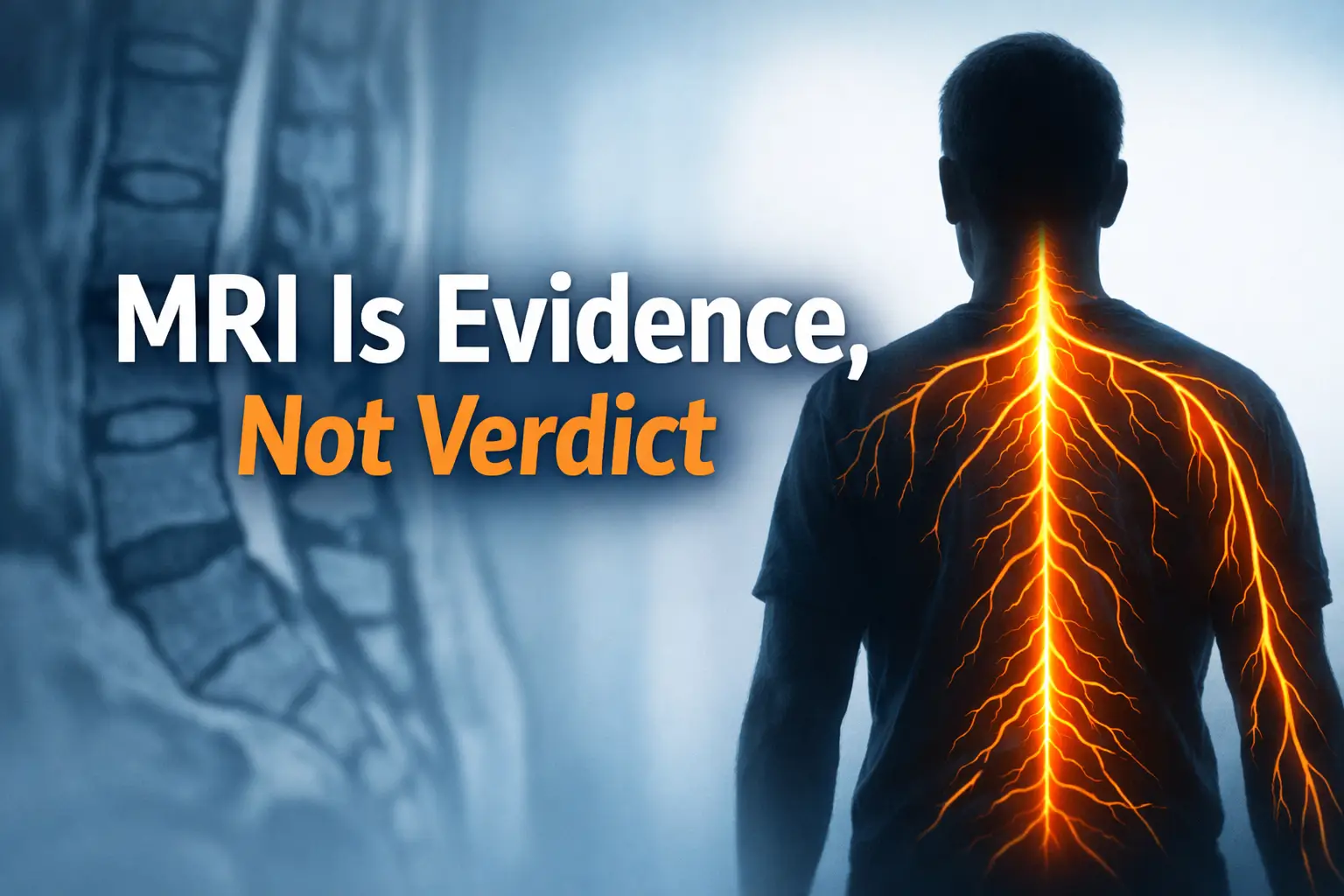
This family-caregiver guide helps organize questions and practical arrangements. The site operator is not a medical professional. It does not diagnose a condition or give individual treatment, procedure or activity clearance. The report is part of the assessment An MRI describes anatomical findings. The treating clinician must consider whether those findings fit the history and … Read more

EMG for Sciatica: Timing and Interpretation Questions

sciatica EMG timing

When not to wait New bladder or bowel control problems, numbness around the genitals or bottom, or severe or worsening weakness in both legs needs emergency assessment. Do not wait for a routine appointment or drive yourself to emergency care. This family-caregiver guide helps organize questions and practical arrangements. The site operator is not a … Read more

Cauda Equina Warning Signs: Why a Slump Test Cannot Rule Out an Emergency

cauda equina syndrome red flags

Warning signs happening now: seek emergency assessment With back or leg symptoms, new difficulty passing urine or inability to empty the bladder, new bladder or bowel control loss, or numbness around the genitals, anus, or saddle area needs immediate medical assessment. Severe or worsening symptoms in both legs are also concerning. Do not use a … Read more

Straight Leg Raise Test at Home: Limits, Warning Signs, and Visit Preparation

straight leg raise test at home

Short answer: A straight leg raise (SLR) performed at home cannot diagnose sciatica, identify a disc or nerve level, measure damage, or tell you whether exercise is safe. A clinician may use it as one part of an examination. You do not need to reproduce leg pain or measure an angle before asking for care. … Read more

Stair Climber With Sciatica: Plan an Individual Review

stair climber sciatica

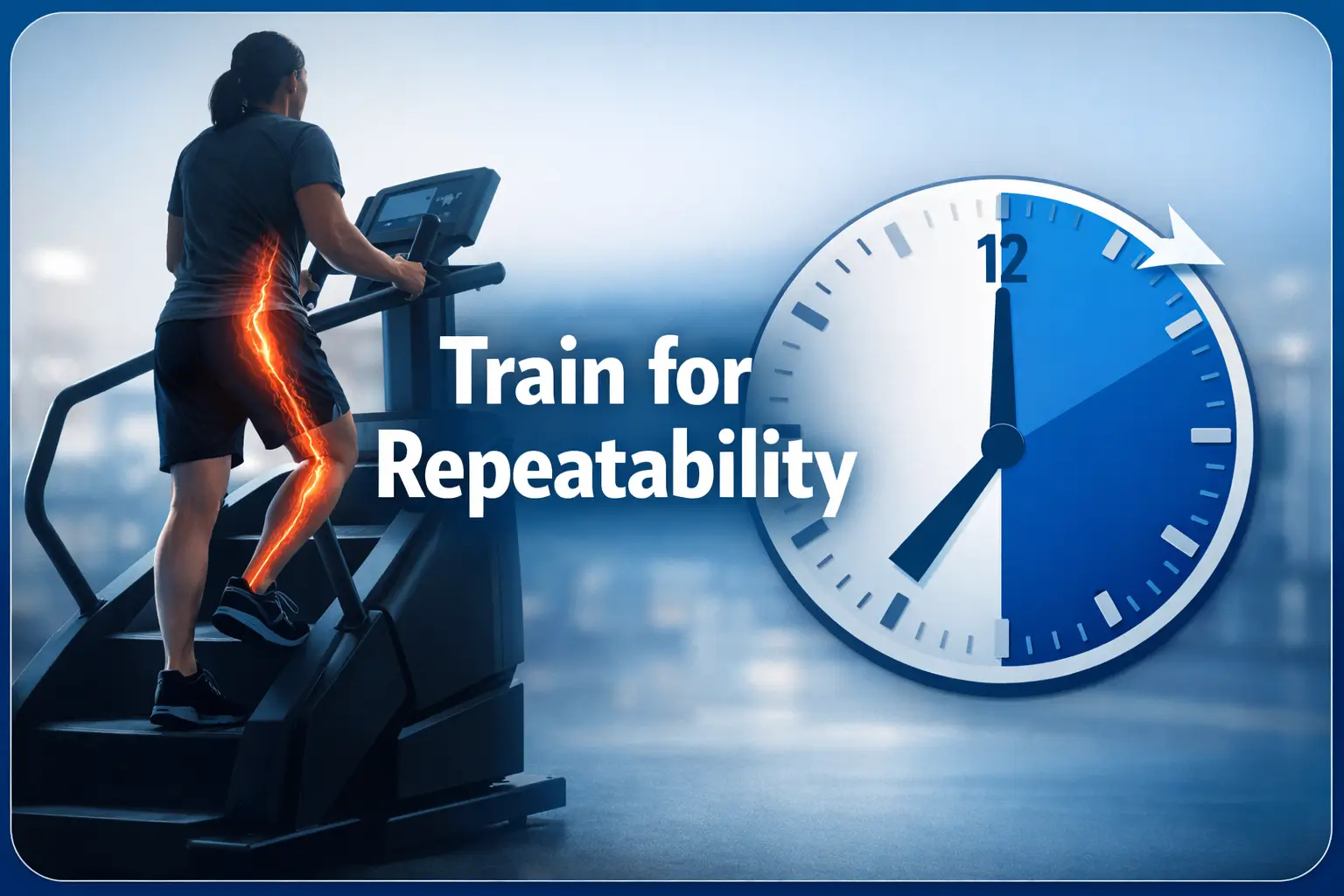
This family-caregiver guide helps organize questions and practical arrangements. The site operator is not a medical professional. It does not diagnose a condition or give individual treatment, procedure or activity clearance. A machine response does not identify the mechanism Symptoms during or after a stair-climber session do not prove which tissue or posture caused them. … Read more

Incline Walking or Elliptical With Sciatica: Questions to Ask

sciatica treadmill vs elliptical

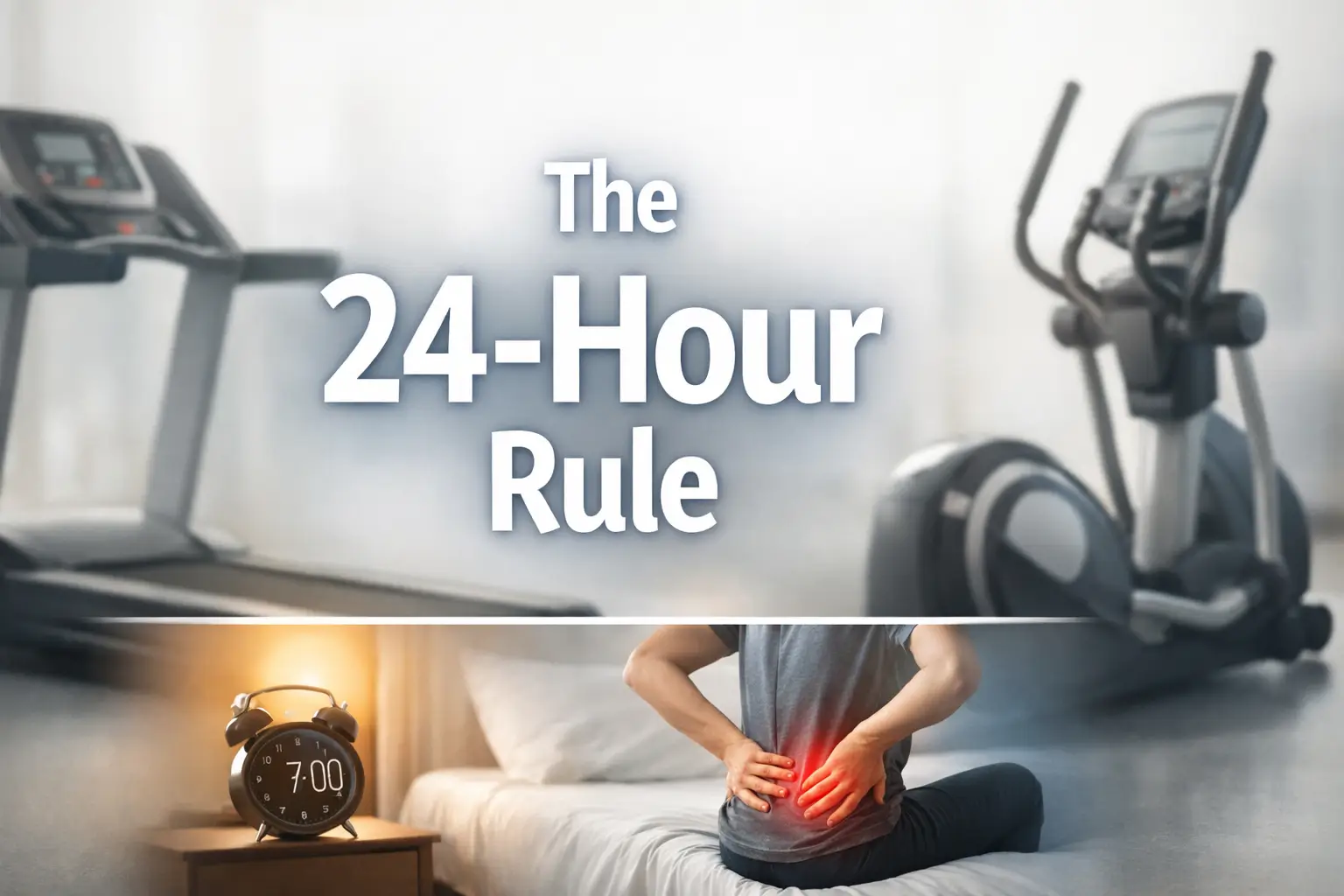
This family-caregiver guide helps organize questions and practical arrangements. The site operator is not a medical professional. It does not diagnose a condition or give individual treatment, procedure or activity clearance. Neither machine is universally safer Incline walking and an elliptical make different demands. A preference or one comfortable session does not establish which is … Read more