
This guide is written from a family-caregiver perspective. The site operator is not a medical professional. It organizes practical information and questions; it does not provide an individual diagnosis, treatment plan or activity clearance.
There is no universal side-sleeping stack
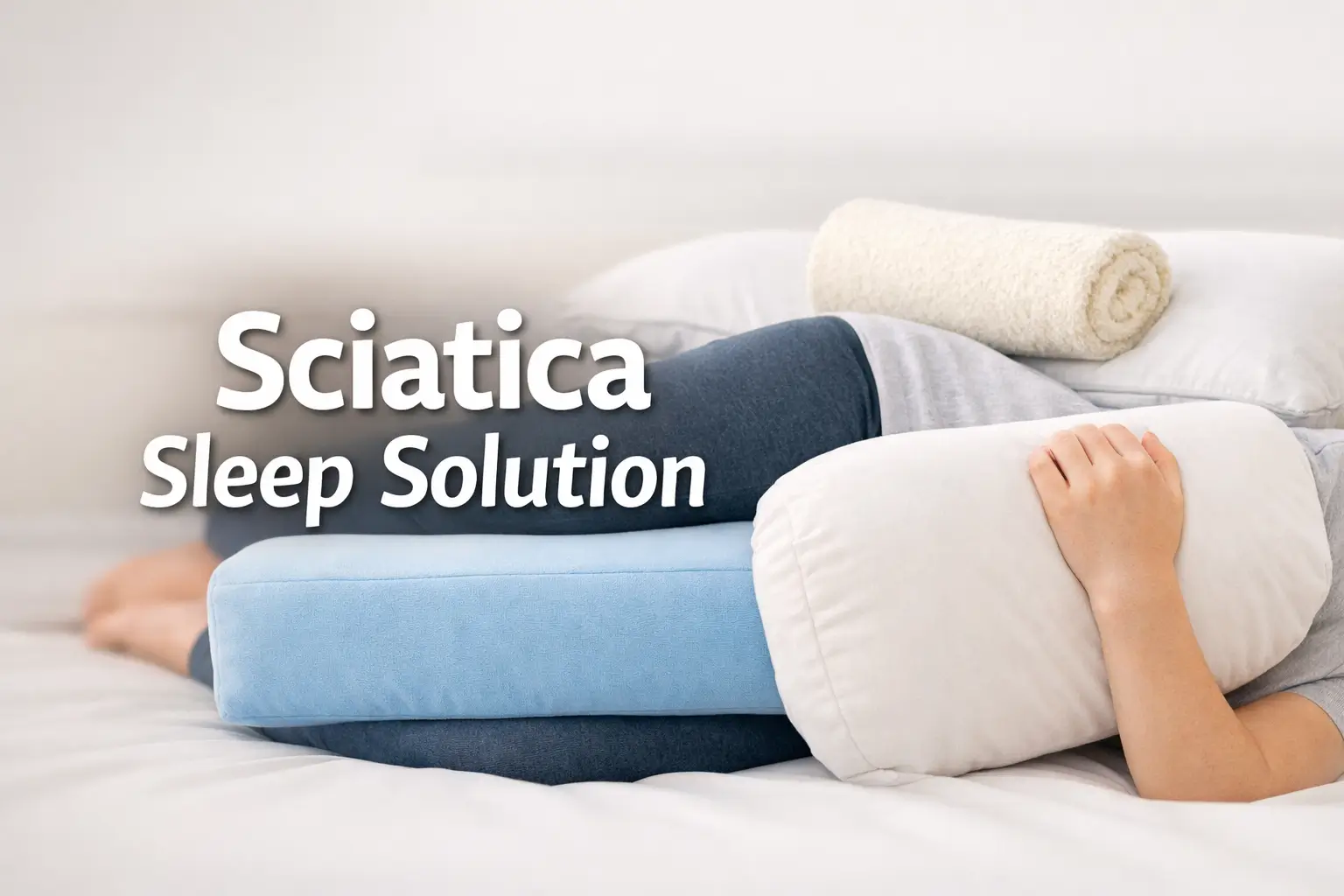
A pillow between the legs or another support may feel comfortable, but ankle coverage, waist filling and a particular thickness are not requirements for everyone. Do not force a rigid pose or use finger widths to prescribe a pillow arrangement.
Keep movement and bed access possible
Choose support that can be managed and removed. Consider getting up at night, any prescribed precautions and whether someone needs transfer assistance. More pillows can make the bed harder to use; a comfortable arrangement should not trap the person in position.
Treat observations as observations
A brief comparison of positions cannot diagnose a nerve problem or guarantee an uninterrupted night. Do not repeatedly provoke tingling to decide which side is correct. Ask for advice about persistent, worsening or changing symptoms rather than continuing a nightly geometry experiment.
Keep support adjustable and manageable
Preparation prompts only: these do not diagnose a condition, rank urgency or clear an activity.
- What to record
- Preferred position, comfort, ability to turn and rise, and any relevant care instructions.
- What to ask
- Could the arrangement create pressure, restrict movement or conflict with my restrictions?
- Next action and owner
- Change an uncomfortable setup and seek advice for persistent or worsening symptoms; there is no universal pillow thickness. Write down who will act and when to follow up.
Keep personal records private. The visit preparation organizer can help arrange questions; do not post identifying health information in comments.
Further information
Editorial rewrite: October 21, 2026. Replaced the previous body, removed unsupported experience or outcome claims, and separated practical planning from individual clinical decisions. This is an editorial update, not a medical-professional review.